

We invited our partners at Cerboni Services to share how independent restaurant owners can turn sales into real profit. Cerboni Chief Operating Officer Jody Fiess sat down with Austin restaurateur Jason Carrier to expose the hidden financial leaks draining busy restaurants, showing exactly how fractional CFO guidance protects your bottom line.
THE CFO AUDIT: BY THE NUMBERS
$7,200 / year ($600 / mo): Approximate money saved after discovering the kitchen used undiluted chemical concentrate.
1x/mo to 1x/wk: Inventory frequency shift that gave Mama Betty’s real-time visibility into food cost.
$1.5M to $7.5M: Annual revenue range of concepts using fractional CFOs.
2% to 18%: Typical client margin expansion by plugging small operational leaks rather than hunting for one magic fix.
You can pack every table in the dining room, have a line out the door, and celebrate record sales, yet still look at your bank account on Monday morning asking:
Where did all the money go?
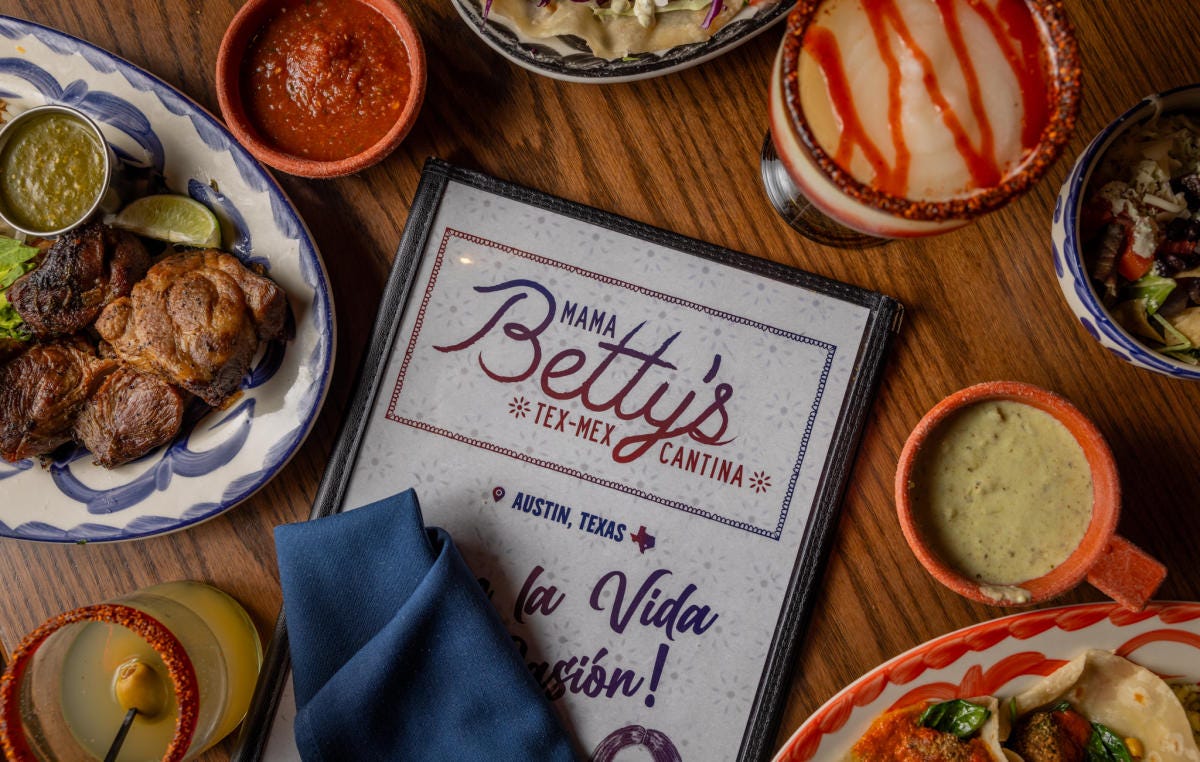
For Jason Carrier, owner-operator of Carrier5 Hospitality, that wasn’t a hypothetical question. When he opened the doors to his first full-service restaurant, Mama Betty’s Tex-Mex in Austin, Texas, the dining room was packed. Yet even with strong sales, turning high volume into real bottom-line profit proved elusive.
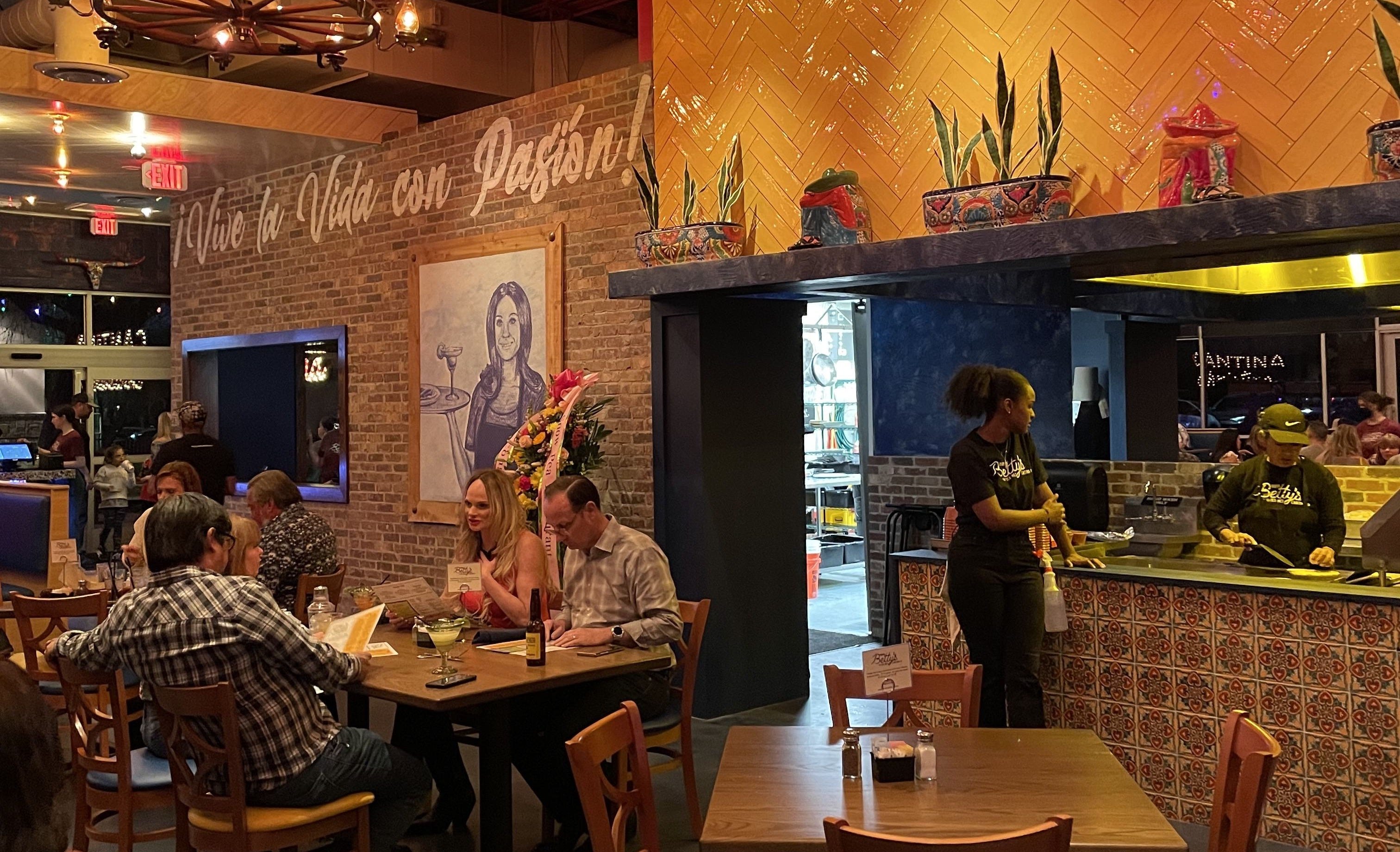
Like most restaurateurs, Jason didn’t get into the industry because he loved building spreadsheets. He started as a door guy, worked as a server, and bartended his way up through the ranks. Running a multi-million-dollar restaurant on intuition alone leaves massive, expensive blind spots.
To diagnose the problem, Jason got help from Jody Fiess, Chief Operating Officer at Cerboni Services, to implement fractional CFO services. Over the course of their partnership, Mama Betty’s grew from a $4 million operation to $7.5 million, with a second location already heading toward $6 million in year one.
Below is their candid conversation on bridging the gap between front-of-house hospitality and back-office financial strategy. And how fixing small, overlooked operational details protects restaurant cash flow.
This post is presented in partnership with Cerboni Services, the financial consulting firm specializing in accounting and strategy for independent restaurants and hospitality groups.
CFO Hospitality
Jody Fiess: When we look at fractional CFO services for restaurants, everybody gets their financials. Everybody gets their P&L and their balance sheet. But the real question is: What is the operational implication of what the financials are telling us? What are the opportunities?
It’s one thing to have an accounting firm or a CPA say, “Your labor is high,” or “Your food cost is high.” It’s another thing to interpret it, understand why, and leverage the restaurant’s tech stack to provide a solid path of action that leads to actual results.
Jason Carrier: People have to realize that if you’re in this business, you probably didn’t get in because you’re good at math or reading reports. You got in because you like taking care of guests and you like the service. I started as a door guy. I was a server. I worked my way up. When I opened my first bar, my friends and I owned it together. We just all bartended, and I didn’t even know we needed a P&L. When we finally got one, the numbers were so foreign I didn’t know what to do with it.
When you open a restaurant, you have a million and one things to worry about, and there’s a good chance the thing you’re least equipped for is crunching numbers. If you were a number cruncher, you probably wouldn’t be in this business to begin with.
I’ve met many CFOs from big private-equity-backed companies, and they don’t have that hospitality gene. They are literal number crunchers trying to scale a brand for private equity, and it’s a very black-and-white world. Cerboni has that hospitality approach to accounting. You speak our language. You’ve been in our shoes. You understand it’s not just about profit; it’s about the guest experience…
Plugging Silent Leaks
Jody Fiess: One of the big advantages of having a fractional CFO is setting benchmarks. Operators ask: “What am I supposed to spend on janitorial? What should I spend on dues and subscriptions? Where should my operational G&A costs sit?” We help define those boundaries and build strategy around them.
For instance, we see clients running high on janitorial. It’s one thing to say you’re over budget; it’s another to dig into the vendor side and say, “Wait a minute. Your linen costs are running high. They’re dropping off weekly orders based on a fixed par system, but you aren’t adjusting those pars to match your seasonal sales volume.”
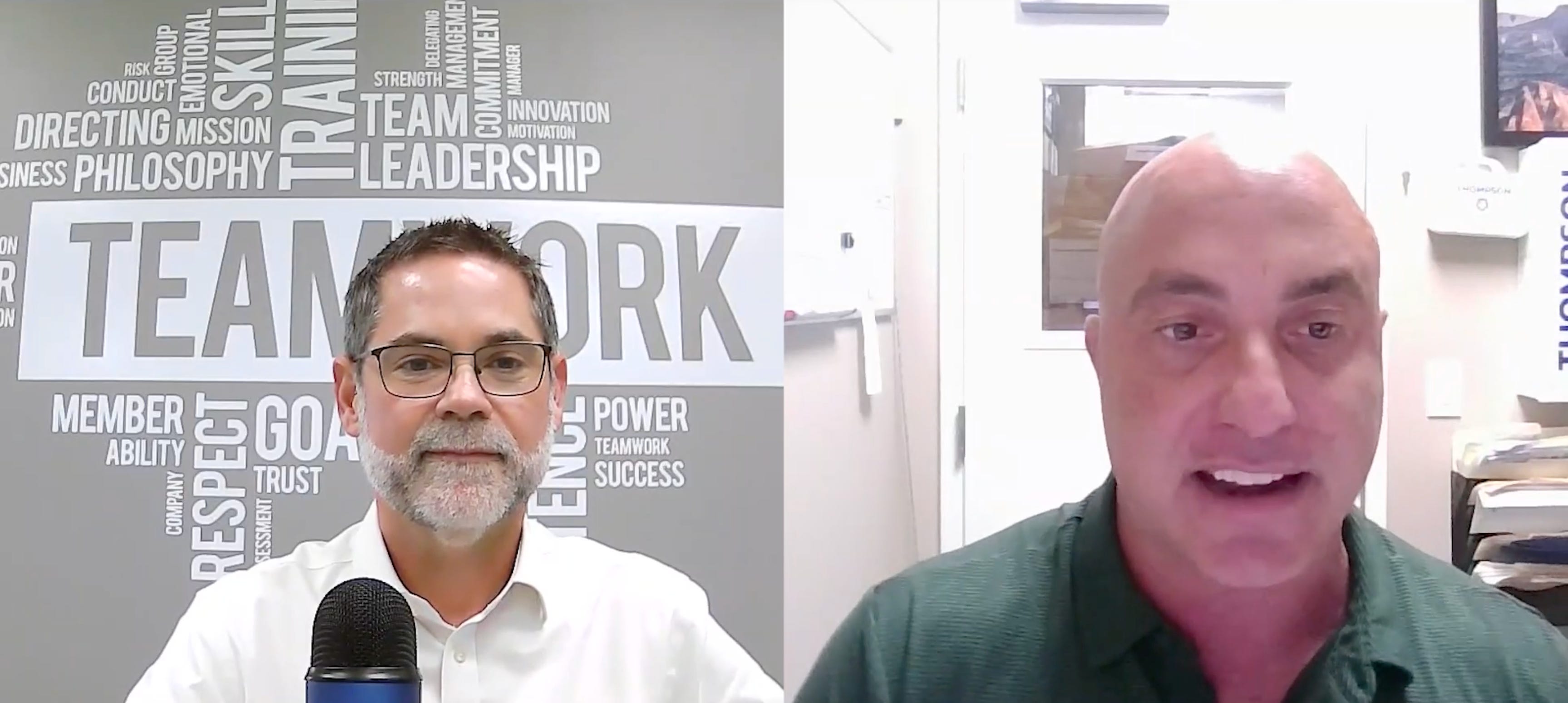
Jason Carrier: You’re a resource that puts a spotlight on things we simply don’t have time to see. Take cleaning supplies: to me, cleaning supplies felt trivial. The kitchen is clean, the restaurant looks good, so we’re doing our job. I didn’t know what cleaning supplies were supposed to cost.
You noticed our cleaning costs were running high, which led us down an investigation. We realized the kitchen was using pure chemical concentrate straight out of the bottle without diluting it. When you extrapolate that out, saving $600 a month is $7,200 a year back in the business. It’s not the biggest line item in the world, but we have to count pennies, and operators are often too busy taking care of guests to count pennies on chemicals.
Jody Fiess: This industry really comes down to two things: passion and pennies. At Cerboni, we share the passion of the operator, but we keep an obsessive focus on the pennies. When we look to take an operator from a 2% or 3% net profit to 10%, 12%, or 18%, it rarely happens by finding one big pile of dollars. Invariably, there are numerous small holes in the boat. When you chip away at those operational leakages, they add up to real dollars very quickly.
The Tip Credit Mistake
Jody Fiess: That visibility extends beyond supply closets into payroll and tax credits. A huge part of what a hospitality CFO looks at is whether the restaurant is properly capturing FICA tip credits, R&D credits, and payroll configurations to minimize liability.
Jason Carrier: That alone paid for your service for the rest of time. As we famously discussed, we had a payroll setup issue with our tip credit: decimals were moved around, entered as percentages versus .03.
To make a long story short: you caught an issue where we were losing substantial money, and we were projected to keep losing it indefinitely until someone figured it out. I know people say hiring a service is an “investment,” but this literally paid for itself and then some. I don’t even want to think about what we would have lost if we didn’t have a fractional CFO auditing that data.
Turning P&Ls into Action
Jody Fiess: That’s why we audit across your entire tech stack. We want to know: Are we taking inventory correctly? Are there unit-of-measure errors? Are the numbers driving the P&L accurate?
Once you have accurate data, you can arm your managers with real action items instead of general frustration. Take rising beef costs. Every operator feels that market pressure. But we can look at portion control, trim yield, voids, and comps.
If you run a burger-and-fries concept, putting 6.5 ounces of fries into a basket instead of a standard 6.0-ounce portion is an ongoing food-cost nightmare.
Having that visibility allows an owner to walk onto the line and say: “Comps are currently at 4.3%. They need to be at 2.5%. Get it down, and we’re reviewing it next week.”
Jason Carrier: It gives you the direction to pivot. Maybe your protein costs jumped, and operationally you didn’t do anything wrong, but the CFO shows you exactly why the numbers moved and where to make adjustments. It frees me up to focus on the things that drive the top line: getting butts in seats, marketing, or figuring out how to turn a slow Monday into a profitable night.
When Do You Actually Need a CFO?
Jody Fiess: Many operators assume you only hire a CFO once you scale to multiple locations or hit a high revenue threshold. But if a restaurant is doing between $1.1 million and $1.5 million, the margins are razor-thin. That is precisely when you need the greatest financial visibility. You can’t afford overpaid chemical vendors, duplicate software subscriptions, or mismanaged pars.
In fact, the ideal time to bring in financial strategy can be before you even open your doors, structuring your entities, defining partnership agreements, and setting up tax strategies to protect cash flow early.
Jason Carrier: When I opened Mama Betty’s, we were slammed, but we weren’t making money. My bookkeeper wasn’t getting me regular financials, and we only did inventory once a month. Cerboni transitioned us to weekly inventory so we could understand the numbers in real time.
Today, Mama Betty’s does $7.5 million a year, and we need a fractional CFO. But we also use Cerboni for our pizza concept that does between $1.5 million and $2 million. It pays for itself at both levels. It isn’t about hitting a specific sales milestone; it’s about making whatever revenue you bring in perform better.
The Operator’s Responsibility
Jason Carrier: One thing operators have to understand: you can’t just hire a service and expect it to fix everything on its own. You have to believe in the process and act on the information provided. It makes no sense to pay for a fractional CFO and then ignore the suggestions or send an assistant manager to sit in on your quarterly strategy meeting. You have to put in the effort to absorb the numbers, ask questions, and hold your team accountable to make changes on the floor.
Jody Fiess: Restaurant operators wear a lot of hats, but there are two hats they should almost never wear alone: legal and financial. Having an expert in your corner protects your assets and your margins. But a roadmap only works if you drive it. When operators take that data, make firm decisions, and execute daily operational habits, the needle moves immediately.

What hidden expenses or blind spots have you uncovered in your restaurant’s books? Let us know in the comments below!