


We opened three ghost kitchen locations during the pandemic. And every single one of them failed.
Writing that still stings. Restaurant operators don’t want to talk about the locations that bombed, the capital that vaporized, or the decisions that looked brilliant on a whiteboard but were brutal on a P&L. But at Cali BBQ and Cali BBQ Media, our guiding principle is to build in public. If we only talk about our wins, we aren’t helping anyone else survive and scale in this industry.
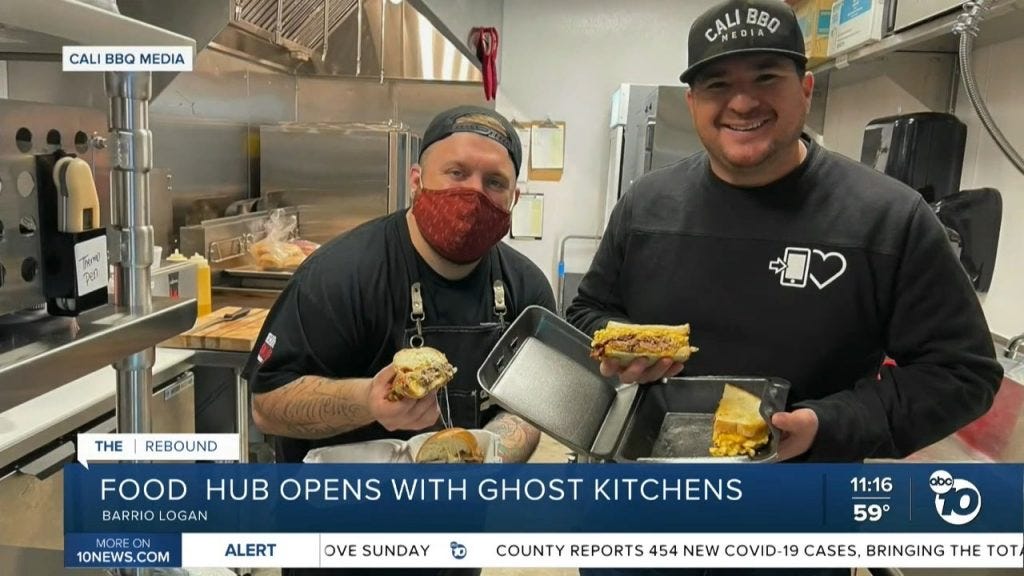
We bet on ghost kitchens because San Diego County has over 3 million people, and asking everyone to drive to our original Spring Valley location for craft barbecue was a broken growth model. The thesis seemed strong: make the ribs, tri-tip, and wedding beans at our master kitchen, ship it out to 200-square-foot distribution nodes across the county, and let delivery apps handle the last mile. At under $50,000 per location, it looked like a low-risk expansion play.
The demand was there, but the unit economics were a total trap.

We were paying premium rent for small spaces designed purely for fulfillment. There was no storefront, zero foot traffic, and no physical place to build true local culture.
Worse, we didn’t own the customer, the delivery platforms did. You can put QR codes in bags and push content on YouTube, TikTok, and Instagram all day, but when a platform takes 20 percent to 25 percent of your gross sales and holds your customer data hostage, the math catches up with you fast.
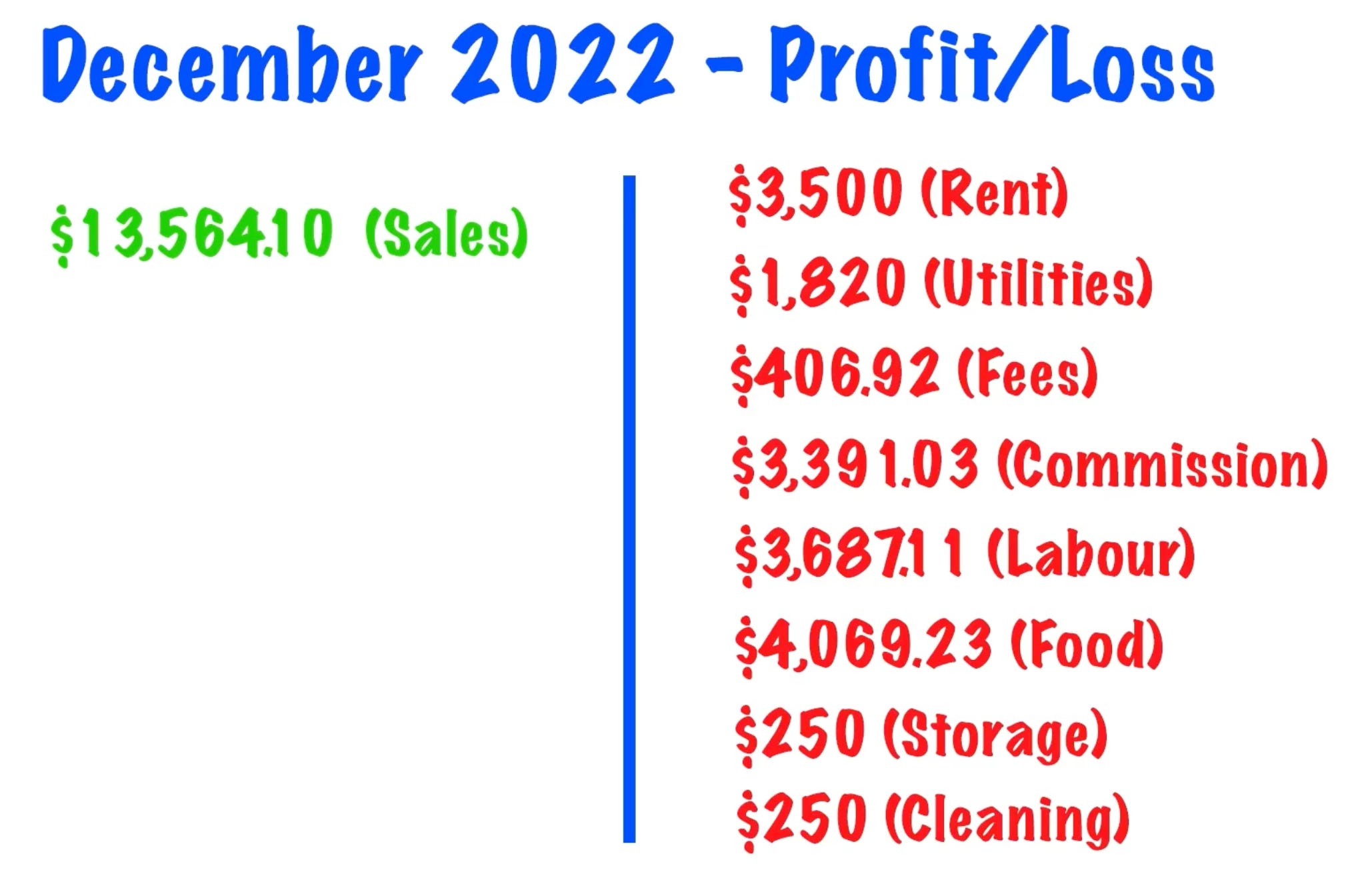
Take December 2022 at one of our ghost kitchen locations:
Delivery Commissions: $3,391.03
Food Cost: $4,069.23
Labor: $3,687.11
Rent & Utilities: $5,320.00
Fees & Maintenance: $906.92
Gross Revenue: $13,564.10
Net Monthly Loss: -$3,810.19
Yes, we were making negative money. Orders were flying out the door, but we were burning cash. Volume without margin isn’t growth, it’s a slow death.
We shut all three locations down after doing our best to make them work. It hurt, but the experiment wasn’t a waste.

It’s important to look for lessons from failure.
Those ghost kitchens taught us how to treat barbecue as a hub-and-spoke distribution model. The prep workflows and staging systems we perfected during that failure became the exact blueprint we used to open at Snapdragon Stadium and the 32nd Street Navy Base. Today, we feed thousands of fans at concerts, SDSU football games, and 55,000 military personnel on base—not through third-party apps, but through high-volume institutional partnerships and digital hospitality.
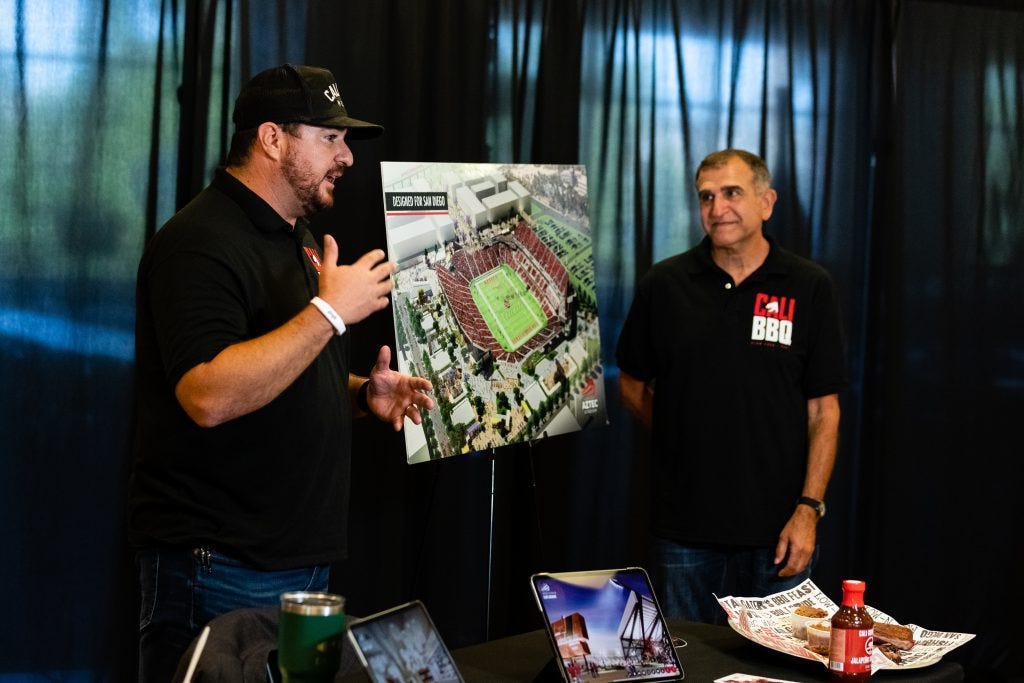
Failure gave us a sustainable model. We wanted to be the greatest ghost kitchen operator in the country, but losing that bet made us better operators, better storytellers, and a stronger business.
If you’re an operator who has taken a hit on a new technology, a bad lease, or a failed experiment, don’t hide it. Reach out to me on DM @Shawnpwalchef to tell me what what you learned.
Like my Grandfather taught me: Stay curious. Get involved. Ask for help.
-Shawn


